When you are working with ATmegas in TQFP packages, one of the really helpful things is a test socket, as shown in the picture above.
Continue readingCategory: Hardware Tools
Tools I use
A Comprehensive List of AVR Debug Probes
Have you ever wondered if you could use the AVR debug probe you found in your Grandpa’s spare parts box to debug your latest hardware project? Here comes the comprehensive list of AVR debug probes, which will answer such questions.
Continue reading
SNAP: Debugging for the Masses
Microchip recently lowered the price for its hardware debugger SNAP from more than €50 to less than €20 €10. I have recently created the Python script dw-gdbserver for this and other hardware debuggers so that you can now use SNAP in the Arduino IDE 2 to debug classic ATtinys and small ATmegas. All in all, this is an affordable and care-free debugging solution for classic AVRs.
Resurrecting Bricked AVRs
The featured picture of this post has been generated by Dall-E.
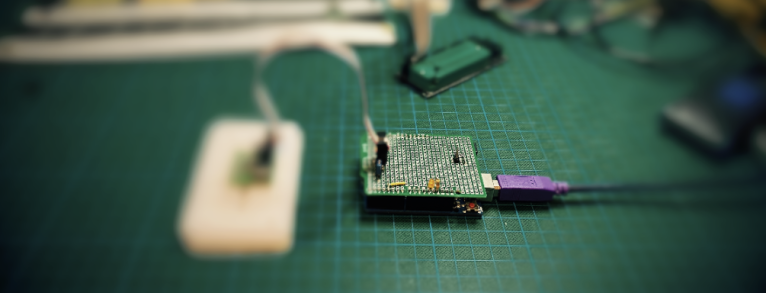
Three years ago, I wrote a short blog post about AVR fuses and what to do when you brick your MCU by setting the wrong fuse. This included a lot of jumper wires. In order to get rid of the jumper wires, I decided recently to design an Arduino shield that supports resurrecting bricked MCUs.
Continue reading
Everything You Wanted to Know About Real-Time Clocks but Were Afraid to Ask
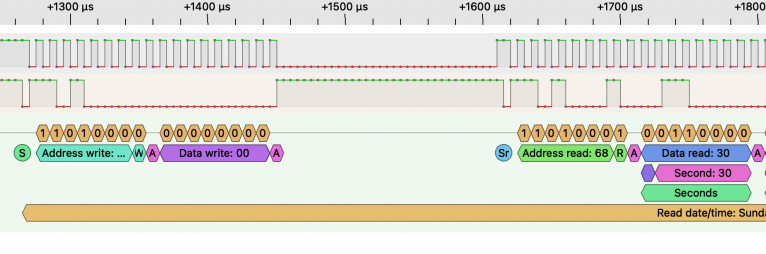
What is a real-time clock? Why do you need one? What are the use cases? How accurate can a real-time clock be? Which features can a real-time clock have? Which models are around? And which one should you buy?
Continue reading
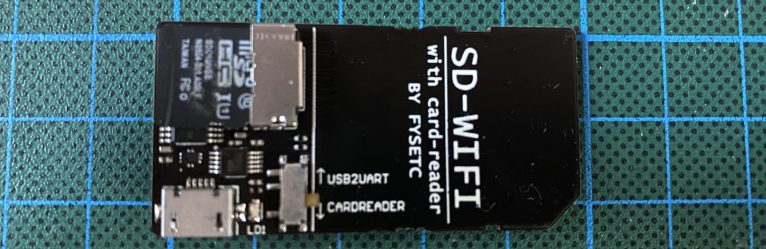
SD-WIFI by FYSETC: Wireless 3D printing
How do you communicate with your 3D printer? Carrying an SD card between your computer and the printer? This can end now using the SD-WIFI module! If you try to get it running on a Mac, some extra effort may be necessary.
Continue reading
A debugWIRE Hardware Debugger for Less Than €10
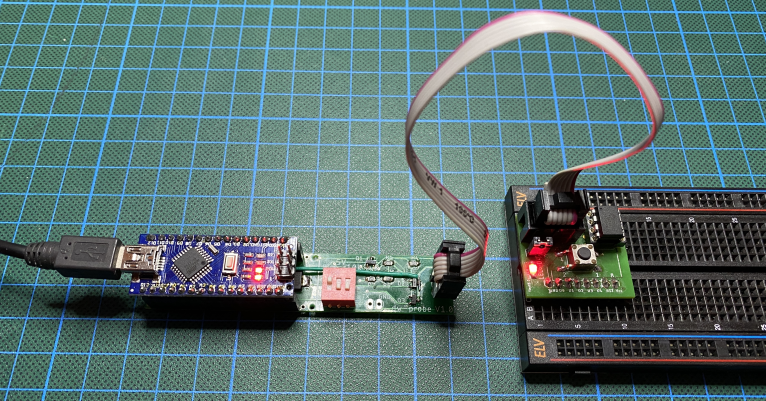
Is it possible to build a hardware debugger for debugWIRE for less than €10? As it turns out, it is. You just have to make a few compromises and also do a bit of soldering and gluing.
Continue reading
dw-probe: The Hardware for the Hardware Debugger
dw-link can turn your Arduino board into a hardware debugger, and dw-probe connects it to any target board.
Continue reading
dw-link: A New Hardware Debugger for ATtinys and Small ATmegas
As mentioned in an earlier blog post this year, hardware debuggers are the premier class of embedded debugging tools. However, until today, there were only very few relatively expensive tools around supporting the debugWIRE interface that is used by the classic ATtinys and a few ATmega MCUs.
The good news is that now you can turn an Arduino UNO, Nano, or Pro Mini into a debugWIRE hardware debugger that communicates with avr-gdb, the AVR version of the GNU project debugger.
Surprise, Surprise!
When you develop a tool for a protocol that is undocumented, it is not surprising that you will encounter situations you will not have be anticipated. This was exactly what I experienced developing the hardware debugger dw-link, which connects debugWIRE MCUs to the GDB debugger. Although a substantial part of the debugWIRE protocol has been reverse-engineered, I encountered plenty of surprising situations: Split personality MCUs, stuck-at-one bits in program counters, secret I/O addresses, half-legal opcodes, and more.
Continue reading